Warning signs: when to take your pet to the vet
Find out the warning signs that mean your dog or cat needs to see a vet, and how to act quickly to look after your pet's health and wellbeing.
October 19, 2026 · 5 min read
Warning signs: when to take your pet to the vet
Pets are masters at hiding pain and discomfort, but there are signs that should not be ignored. Knowing how to recognise these warning signs can make all the difference to your dog's or cat's health and wellbeing. In autumn, with changes in temperature and greater exposure to allergies and parasites, it is even more important to pay attention.
Changes in behaviour
Any significant change in your pet's behaviour can be a warning sign. This includes lethargy, loss of appetite, increased thirst or changes in toilet habits.
Dogs
Dogs are social, active animals. If your dog is quieter than usual, avoids play or seems uninterested in walks, it may be a sign that something is wrong. Also watch for changes in sleep or appetite.
Cats
Cats are more independent, but changes in behaviour can be just as worrying. If your cat is hiding more, less playful or has changes in eating habits, it is important to pay attention.
Coat and skin problems
Your pet's skin and coat can reveal a lot about their health. Excessive itching, hair loss, sores or redness are signs that should not be ignored.
Dogs
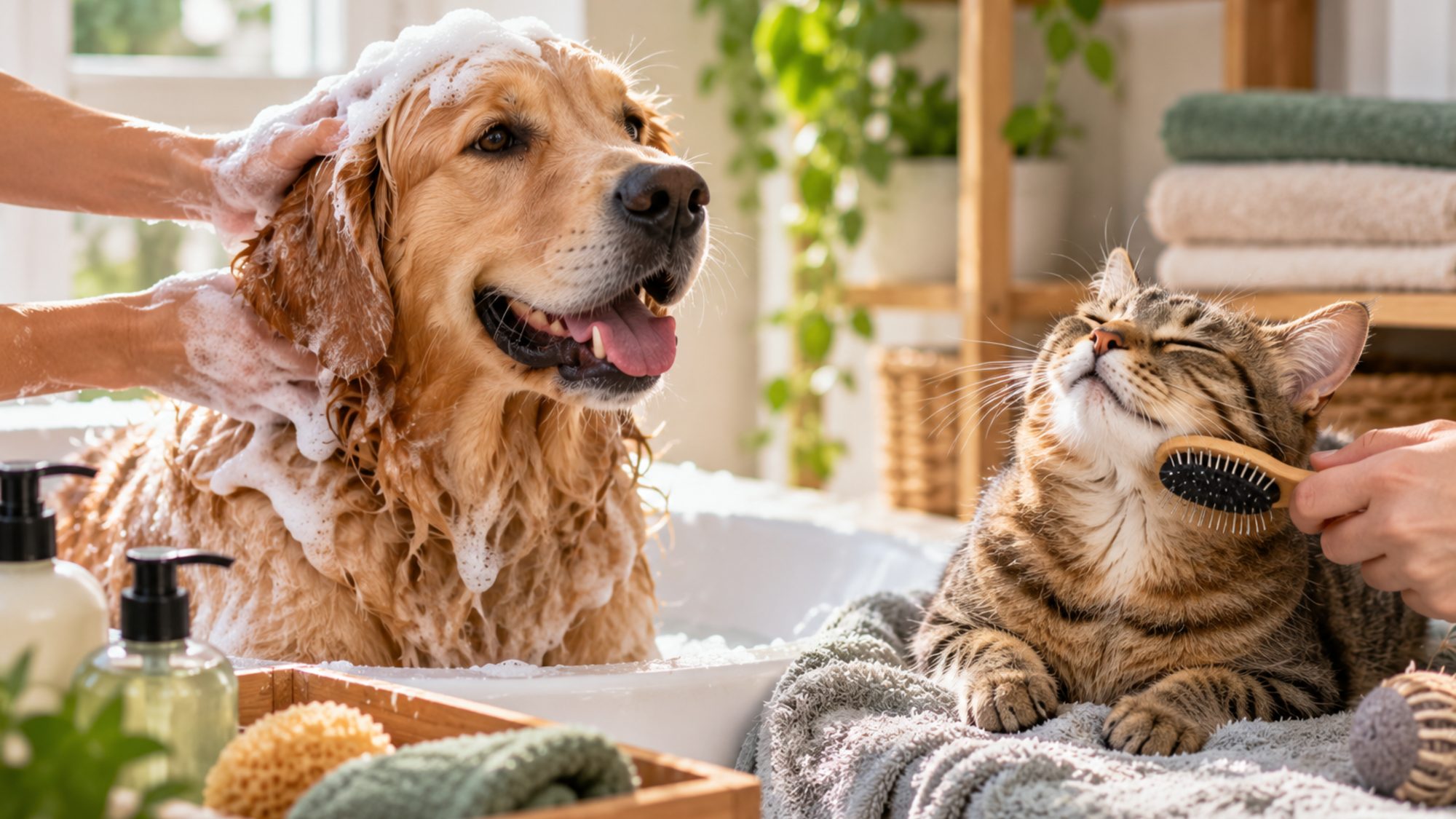
Dogs can develop seasonal allergies or skin problems that get worse in autumn. If you notice excessive itching, redness or hair loss, consult your vet. Use products made for dogs and avoid frequent baths that could irritate the skin.
Cats
Cats can also have skin problems, especially if they are allergic to certain grasses or pollen. If your cat is scratching more than usual or has sores on the skin, it is important to act quickly.
Digestive problems
Vomiting, diarrhoea or constipation can be signs of digestive problems. If your pet shows any of these symptoms, it is important to consult your vet.
Dogs
Dogs can eat things they should not, which can cause digestive problems. If your dog vomits or has diarrhoea, look at the consistency and colour of the stools. If the symptoms persist, consult your vet.
Cats
Cats can have digestive problems because of changes in diet or swallowing foreign objects. If your cat vomits often or has diarrhoea, talk to your vet. If they are also lethargic, not eating or drinking, or the symptoms keep coming back, do not wait.
Breathing problems
Coughing, sneezing or difficulty breathing are signs of respiratory problems that should not be ignored. In autumn, with greater exposure to allergies and viruses, it is important to pay attention.
Dogs
Dogs can develop kennel cough or other respiratory infections. If your dog is coughing or sneezing often, look out for other symptoms, such as fever or lethargy, and consult your vet.
Cats
Cats can have respiratory problems because of allergies or infections. If your cat is sneezing or having difficulty breathing, it is important to act quickly.
Eye problems
Redness, discharge or itching in the eyes can be signs of eye problems. If you notice any of these symptoms, consult your vet.
Dogs
Dogs can develop conjunctivitis or other eye infections. If your dog is rubbing its eyes or has discharge, wipe the area with a damp cloth and consult your vet.
Cats
Cats can also have eye problems, especially if they are allergic. If your cat is rubbing its eyes or has redness, it is important to act quickly.
Ear problems
Excessive itching, redness or a bad smell in the ears can be signs of ear infections. Clean them only when necessary, with a product recommended by your vet, and avoid cotton buds.
Dogs
Dogs can develop ear infections, especially if they have floppy ears. If you notice excessive itching or a bad smell, consult your vet: cleaning an infected ear without advice can make the problem worse.
Cats
Cats can also have ear problems. If your cat is scratching its ears or has redness, consult your vet instead of trying to treat it at home.
When it is urgent
If your pet shows any of these signs, do not wait: contact your vet or an emergency clinic straight away.
- difficulty breathing or very fast breathing;
- a swollen or hard abdomen;
- seizures or collapse;
- suspected poisoning (for example, swallowing medication, chocolate, plants or cleaning products);
- a cat that tries to urinate and cannot;
- repeated vomiting or diarrhoea, or with blood;
- severe pain or being unable to stand up.
If in doubt, it is always better to call.
When to see the vet
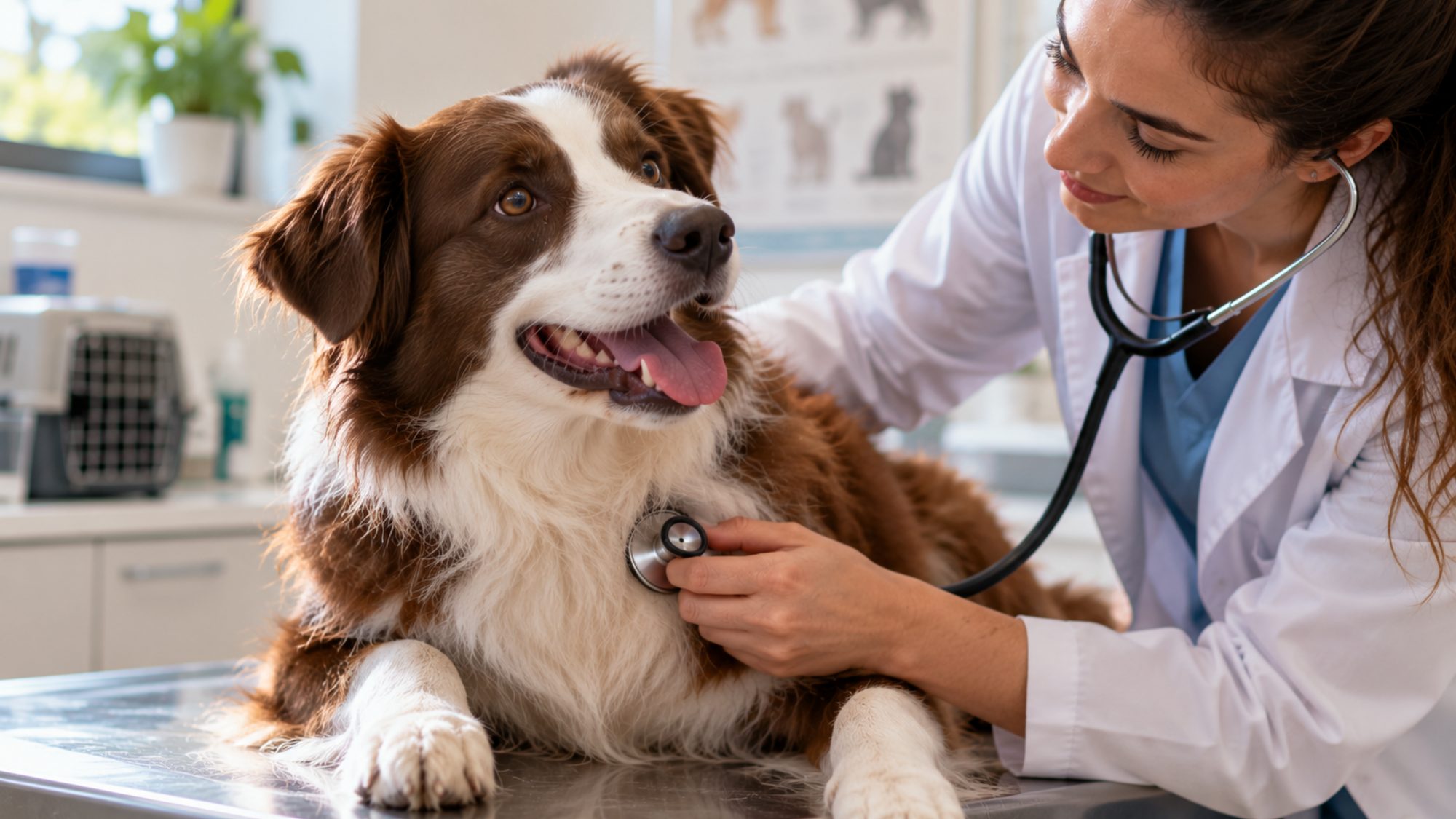
If you notice any of the warning signs mentioned, do not hesitate to consult your vet. Early detection of health problems can make all the difference to your pet's recovery. Remember that prevention goes a long way, so keep vaccinations and check-ups up to date.
The importance of daily observation
Watching your pet every day is essential for spotting warning signs. If you notice any change in your pet's behaviour or health, do not hesitate to consult your vet.
Fofura Pet Care and your pet's health
At Fofura Pet Care, we understand how important it is to keep your pet healthy and happy. With our pet sitting, daily visits, walks and special care, we do everything we can to make sure your dog or cat gets the attention and care they need, even when you are not with them. If you need help monitoring your pet's health or making sure they get the care they need, do not hesitate to contact us.
Useful? Share it with someone who has pets:
WhatsApp